

How different cultures approach gambling: A global perspective.
How different cultures approach gambling: A global perspective.
Historical Context of Gambling
Gambling has been a part of human civilization for thousands of years, with its roots tracing back to ancient civilizations. In places like China and Mesopotamia, evidence of gambling activities can be found in archaeological https://pincocasinos.com/ excavations. The incorporation of games of chance into culture often mirrored societal values; for example, in ancient Rome, dice games were commonplace among both the elite and commoners, demonstrating the ubiquity of gambling across social classes.
The evolution of gambling practices varies significantly with cultural context. In regions where gambling was prohibited, such as certain Islamic countries, alternative forms of entertainment arose that complied with religious and moral frameworks. This historical landscape lays the foundation for the diverse attitudes and regulatory frameworks governing gambling in today’s global society.
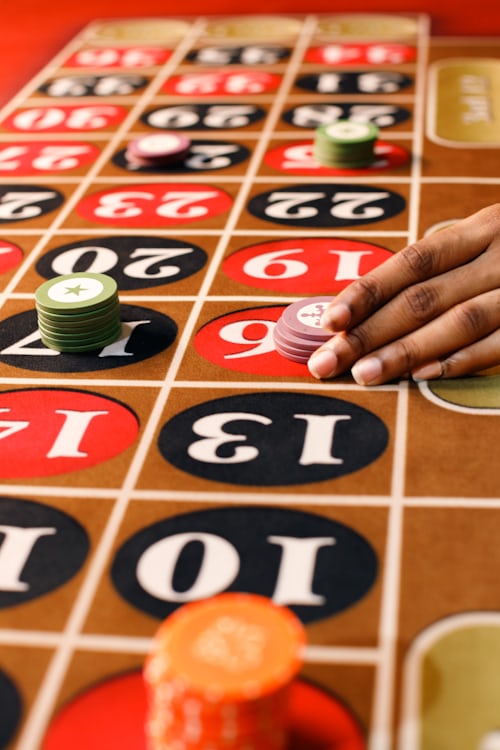
Moreover, the historical significance of gambling is often reflected in literature, art, and folklore. Throughout history, tales of fortune and misfortune tied to gambling have captivated audiences, highlighting the unpredictable nature of chance. These narratives not only entertain but also serve as cautionary tales, shaping cultural attitudes and expectations around risk-taking behavior associated with gambling. Understanding these underlying themes allows us to appreciate how deep-rooted the influence of gambling is across different societies.
Cultural Attitudes Toward Gambling
Different cultures possess unique attitudes towards gambling, influenced by religious beliefs, societal norms, and community values. In the Western world, particularly in places like Las Vegas and Atlantic City, gambling is often viewed as a legitimate form of entertainment. The commercialization of gambling and its association with tourism has led to a more accepting attitude, contributing to its deep embedding in popular culture.
Conversely, in parts of Asia, such as Japan, gambling has historically faced stricter scrutiny. While games such as Pachinko have gained popularity, governmental regulations are stringent, reflecting a more cautious cultural stance. In countries like India, gambling exists in various traditional forms, but civil society often wrestles with balancing the desire for gaming with concerns about addiction and moral implications.

Additionally, some cultures celebrate gambling as a means of social interaction, viewing communal games as a way to foster relationships and strengthen community ties. Festivals incorporating gambling elements serve as both entertainment and social glue, illustrating how deeply ingrained these practices are in some societies. Thus, cultural attitudes towards gambling are not monolithic; they are shaped by a multitude of factors including tradition, economic conditions, and public health considerations.
Legal Frameworks and Regulations
The legal landscape of gambling differs vastly from one region to another, influenced by both cultural attitudes and historical context. In the United States, federal regulations permit states to control their gambling laws, resulting in a patchwork of legislation that varies widely. Some states, like Nevada, have embraced gambling as a major revenue source, while others maintain restrictive laws.
In contrast, countries like Sweden have adopted a regulated model aimed at consumer protection, where gambling is tightly overseen to safeguard against addiction. This model reflects a cultural belief in responsible gaming and ensures that the benefits of gambling do not come at the expense of societal health. Understanding these frameworks is essential for a comprehensive view of how gambling is perceived and managed worldwide.
Moreover, the way laws are structured can significantly affect public perception and participation in gambling. In some countries, strict regulations create an underground gambling culture, while lenient laws encourage transparency and accountability. Advocacy groups frequently push for reforms in regulatory frameworks, aiming to reconcile gambling’s economic benefits with the need for responsible practices and harm reduction. These discussions are crucial as various stakeholders, from governments to private operators, navigate the delicate balance between regulation and liberty.
Modern Trends in Gambling
The rise of online gambling has redefined how different cultures interact with gaming activities. Countries like the UK have embraced online platforms, leading to massive revenue generation and a shift in public perception. The convenience and accessibility of online gambling have encouraged a younger demographic to participate, causing cultural shifts in how gambling is viewed.
However, this digital expansion brings along challenges. Concerns regarding addiction and the impact of gambling on mental health are front and center, prompting various countries to consider new regulations. As cultural attitudes evolve, the traditional stigmas surrounding gambling are beginning to dissipate, leading to increased acceptance yet necessitating more robust regulations.
Additionally, technological advancements are driving innovation within the gambling industry. The introduction of virtual reality (VR) and augmented reality (AR) gaming experiences is set to transform traditional forms of gambling, offering immersive environments that appeal to a broader audience. These technological trends challenge existing norms, prompting cultural conversations about the future of gaming and the evolving nature of risk and reward in digital spaces.
Exploring Gambling at Pincocasinos.com
Pincocasinos.com serves as an informative platform, offering insights and resources for both seasoned gamblers and newcomers interested in understanding the global gambling landscape. Through expert articles and up-to-date information, the site fosters a deeper appreciation for the various cultural approaches to gambling.
Whether one seeks to explore the legal frameworks, modern trends, or historical aspects of gambling worldwide, Pincocasinos.com provides a rich database of knowledge. This resource not only educates users about responsible gaming practices but also connects them with the comprehensive diversity present in global gambling culture.
The platform also encourages discussion about responsible gambling behaviors, emphasizing the importance of awareness and education in mitigating the risks associated with gambling. By promoting dialogue and sharing resources, Pincocasinos.com plays an essential role in helping individuals navigate the complexities of gambling in a modern context.