

Understanding the psychology behind why we gamble what drives our risk-taking behavior
Understanding the psychology behind why we gamble what drives our risk-taking behavior
The Allure of Risk: Why We Are Drawn to Gambling
Gambling offers a unique thrill that captivates many individuals, often stemming from an innate desire for excitement and challenge. This craving can be traced back to our evolutionary instincts, where risk-taking was crucial for survival. Engaging in high-stakes games provides a simulation of those primal experiences, allowing people to feel alive and engaged in a way that mundane activities do not offer. This psychological response can create a powerful urge to gamble, driven by the adrenaline rush associated with risking something valuable for the potential of a greater reward. For more information, visit https://lizarocasinos.co.uk/.
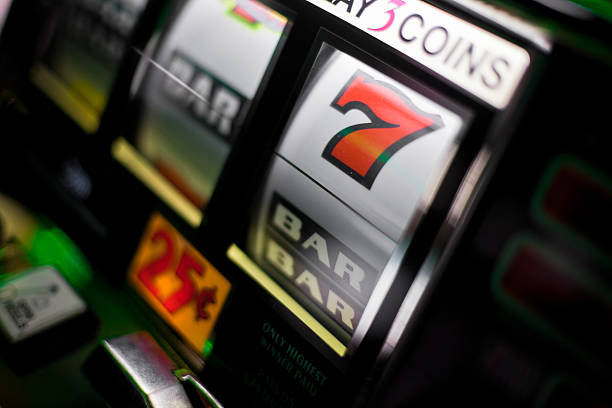
The concept of loss aversion plays a significant role in this allure. Behavioral economists have shown that the pain of losing money can be psychologically more impactful than the pleasure of winning the same amount. Consequently, gamblers may find themselves returning to the table or the slot machine, driven by the hope of reclaiming their losses. This cycle creates a feedback loop that keeps individuals engaged in gambling, even when logic suggests they should walk away.
Social factors also contribute to our attraction to gambling. The communal aspect of high-stakes games creates a shared experience among players, whether in a casino or online environment. This social interaction can heighten the excitement and allure of gambling. Engaging with others fosters a sense of belonging and camaraderie, making the risk-taking behavior feel less solitary and more rewarding. Thus, the combined impact of adrenaline, loss aversion, and social interaction forms a potent cocktail that drives many to gamble.
The Role of Cognitive Biases in Gambling Decisions
Cognitive biases significantly influence the way individuals perceive risks and rewards in gambling situations. One prevalent bias is the illusion of control, where gamblers believe they can influence the outcome of games that are fundamentally based on chance. For example, players may think that their strategies or rituals will somehow alter the odds in their favor. This misperception can lead to increased risk-taking, as individuals invest more time and money, convinced that they are in control of their fate.
The gambler’s fallacy is another cognitive distortion that impacts decision-making. This is the belief that past random events affect future outcomes in a way that they statistically do not. For example, someone might continue to bet on a particular number in a roulette game, thinking that it is “due” to come up based on prior spins. These biases can lead gamblers to make irrational choices, often compounding their losses while intensifying their commitment to high-stakes gambling.
Understanding these cognitive biases is critical for both gamblers and those who wish to help them. By recognizing the ways in which our thoughts can deceive us, individuals can make more informed decisions about their gambling behavior. This awareness can help mitigate the risks associated with gambling, encouraging a more balanced approach that distinguishes between entertainment and compulsion.
Emotional Factors: The Emotional Rollercoaster of Gambling
The emotional landscape of gambling is complex and multifaceted. For many, the thrill of gambling is tied to the high stakes that accompany it. The intense emotions experienced during play can evoke a rush of excitement, but they can also lead to significant lows during periods of loss. This rollercoaster of emotions often mirrors the ups and downs of life, providing a form of escapism. For some individuals, this emotional dynamic can become addictive, leading them to seek out gambling as a means of coping with stress, anxiety, or boredom.
Moreover, the excitement of potential wins can create a euphoric state that reinforces gambling behavior. Dopamine, a neurotransmitter associated with pleasure and reward, plays a critical role in this process. When individuals win, their brain releases dopamine, reinforcing the behavior and creating a desire to repeat the experience. This biochemical reaction can transform gambling into a compulsive behavior, where the emotional highs overshadow the financial consequences. This cycle is not just about winning money but also about the emotional satisfaction that gambling provides.
However, the emotional consequences of gambling are not always positive. The stress and anxiety associated with losses can lead to feelings of guilt, shame, and despair. These negative emotions often perpetuate the cycle of gambling, as individuals may gamble in an attempt to escape their feelings or to recover their losses. Understanding the emotional components of gambling can help individuals recognize when they are using gambling as a coping mechanism and encourage them to seek healthier alternatives.
The Social Influence on Gambling Behavior
Social influence is a crucial factor in understanding why individuals engage in gambling. The presence of friends or peers can significantly impact a person’s likelihood to gamble and the extent to which they are willing to take risks. Social settings often normalize gambling behavior, making it seem like a typical and accepted activity. This group dynamic can encourage individuals to engage in gambling, leading them to place higher bets than they might on their own.
Moreover, the prevalence of gambling in popular culture further amplifies this influence. Movies, television shows, and advertising frequently glamorize high-stakes gambling, painting it as a glamorous and exciting pursuit. These portrayals can distort perceptions of gambling, leading people to underestimate the risks involved while overestimating the rewards. By depicting gambling as a social activity rather than a solitary endeavor, such representations can entice individuals to participate, often without fully understanding the potential consequences.
Additionally, online platforms have transformed the social aspect of gambling, allowing individuals to engage in high-stakes games without the limitations of physical casinos. This accessibility can amplify social influences, as players can interact with others in real time, creating a sense of community. These online interactions often heighten the excitement and engagement, making individuals more likely to take risks. Recognizing the social dynamics at play is essential for understanding gambling behavior and developing strategies for responsible gambling.

Experience the Thrill Safely at Lizaro Casino
At Lizaro Casino, we understand the complexities of gambling psychology and aim to provide a safe and engaging environment for our players. With over 10,000 games available, including high-stakes options, we cater to various preferences while ensuring a responsible gaming experience. We prioritize safety and fairness, operating under stringent regulations, and providing a platform where excitement meets security.
Our generous welcome bonuses, including a 250% bonus up to €3,000 and 350 free spins, serve to enhance your experience while emphasizing that gambling should be an enjoyable pastime. We encourage players to engage with our games responsibly, promoting a fun and engaging atmosphere while being mindful of the risks associated with gambling.
Join Lizaro Casino today to experience high-stakes gaming in a vibrant community. With 24/7 customer support, fast transactions, and a commitment to responsible gambling, we aim to ensure that your gaming experience is as thrilling as it is safe. Let us be a part of your gaming journey while fostering an understanding of the psychology behind risk-taking behavior.